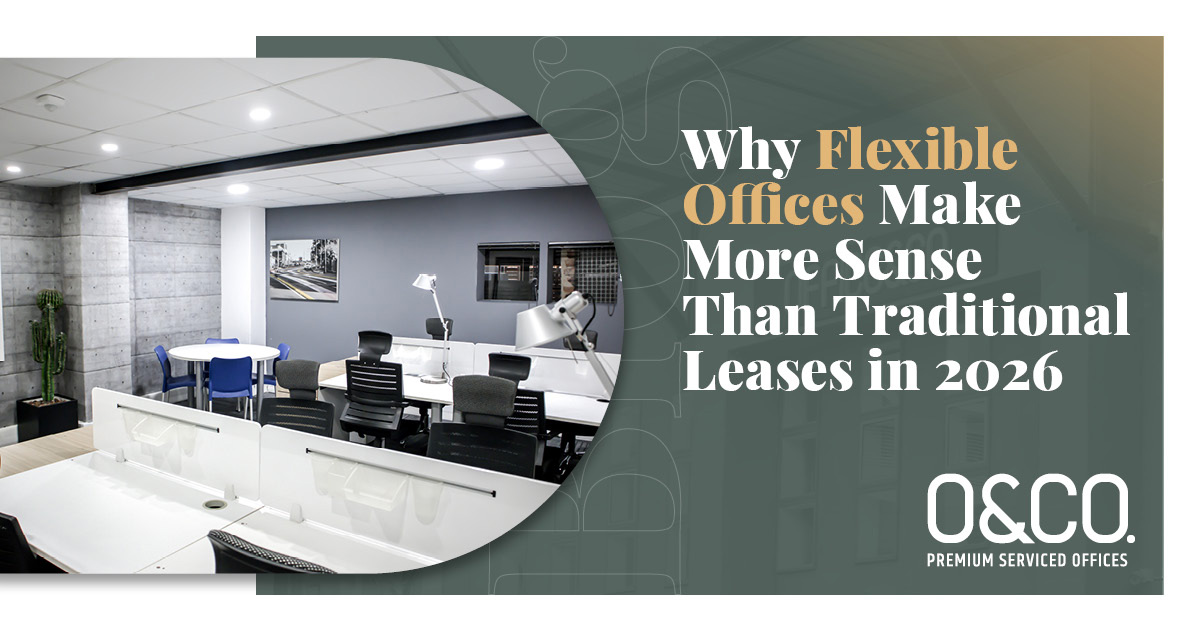
Why Remote Teams in Joburg Still Need a Monthly Office Touchpoint
Remote work helps Johannesburg businesses cut costs, but strategy, alignment, and culture still need face to face time. This article explores why monthly office sessions are becoming the smart middle ground for remote teams, and how Flex Professional Office Space at O&CO Rosebank supports purposeful connection without long term commitments.
Date:
January 27, 2026
Categories:
Why Remote Teams in Joburg Still Need a Monthly Office Touchpoint
Remote work helps Johannesburg businesses cut costs, but strategy, alignment, and culture still need face to face time. This article explores why monthly office sessions are becoming the smart middle ground for remote teams, and how Flex Professional Office Space at O&CO Rosebank supports purposeful connection without long term commitments.
Date:
January 27, 2026
Categories:
 Blowing hot and cold: How office temperature impacts mood and performance
 Too Much Desk Time
Why Remote Teams in Joburg Still Need a Monthly Office Touchpoint
Remote work has helped many Johannesburg companies do something that once felt impossible: cut office costs without cutting productivity. Fewer long term leases. Smaller overheads. Less time stuck in traffic. On paper, it makes perfect sense.
And for day to day work, it often works beautifully.
But here’s the quiet truth many founders and leadership teams are starting to admit. Fully remote setups can drift. Alignment softens. Decisions take longer. Culture becomes something people talk about instead of something they feel.
That’s where the idea of a monthly office comes in. Not a full time space. Not a return to five days a week. Just a professional place where remote teams can gather with purpose, once a month, to think clearly and reconnect.
For Joburg based businesses, especially those spread across Sandton, Rosebank, Midrand, and beyond, this approach is becoming the sweet spot.
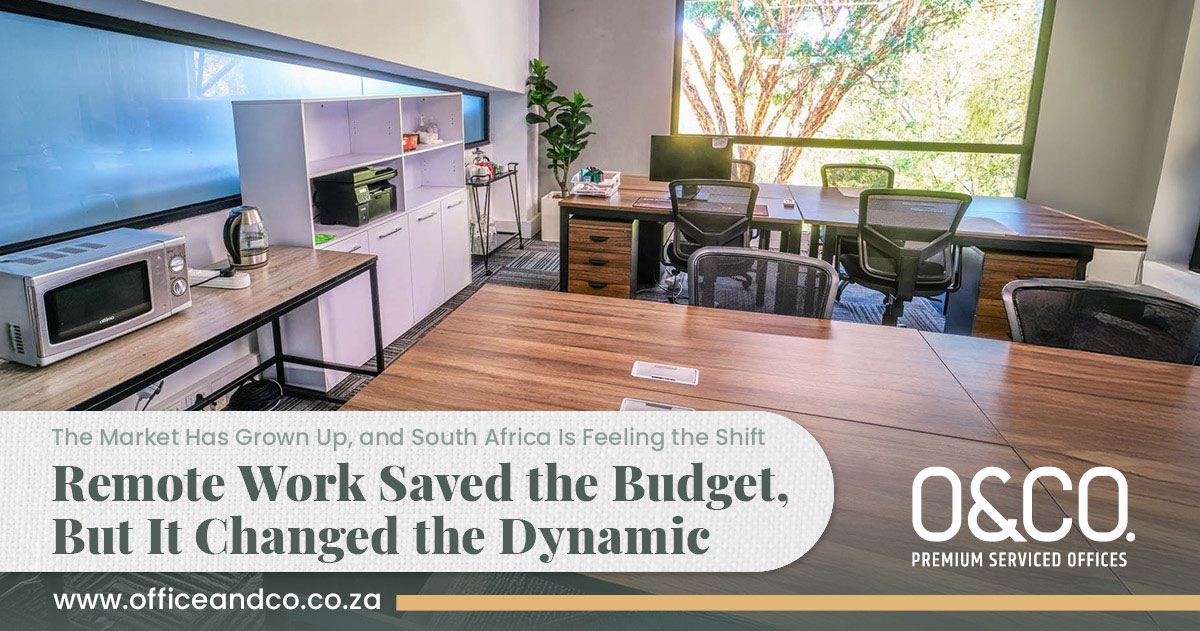
Remote Work Saved the Budget, But It Changed the Dynamic
Many companies moved remote to stay lean. Some did it out of necessity. Others did it intentionally, seeing an opportunity to reduce rent, utilities, and admin while still attracting great talent. The cost savings are real. Fewer fixed expenses mean more flexibility during uncertain economic cycles. Teams enjoy autonomy and better work life balance. Hiring is no longer limited by geography.
But remote work also removed something subtle. The unplanned conversations. The body language in decision making. The moments where strategy gets shaped between meetings. Over time, this can show up as misalignment.
Projects drift slightly off course. Teams interpret priorities differently. Meetings become more frequent but less decisive. Everyone is working hard, but not always together. This is why many Joburg companies are now rethinking the role of physical space. Not as a daily requirement, but as a strategic tool.
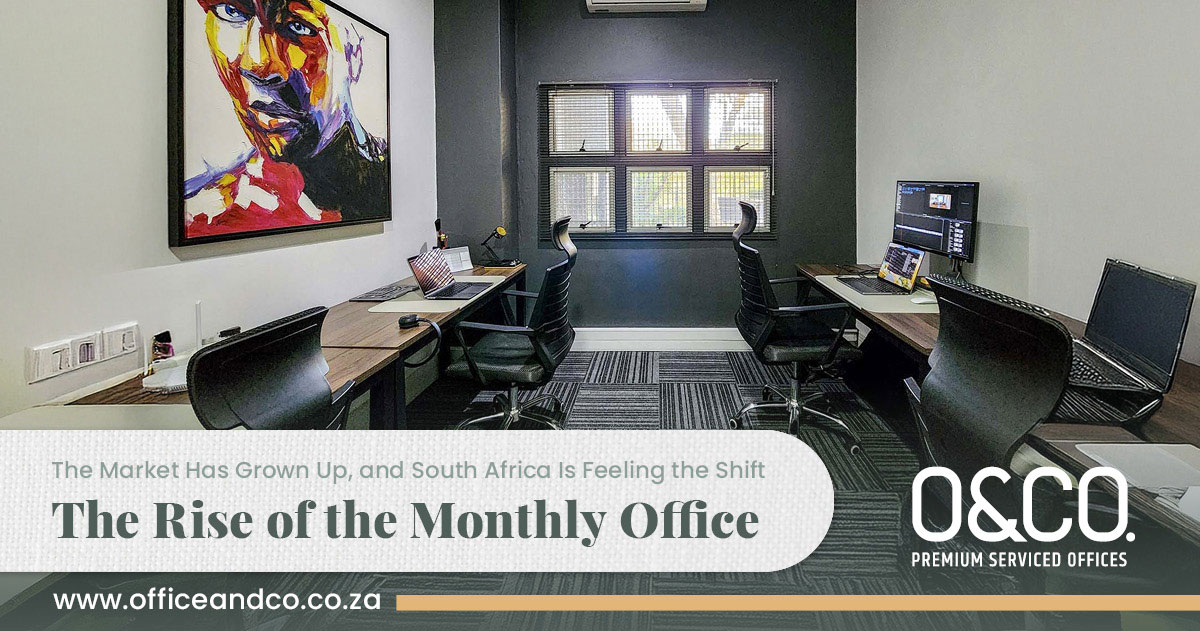
The Rise of the Monthly Office
The monthly office is exactly what it sounds like. A professional workspace where a remote team comes together once a month, sometimes more, sometimes less, with a clear intention.
It’s not about desks for eight hours. It’s about outcomes.
These sessions often include:
• Strategy planning and quarterly reviews
• Leadership alignment meetings
• Team workshops and brainstorming
• Culture building and connection
• Onboarding new team members
By concentrating this work into a single day or two, teams get the benefit of face to face engagement without the financial burden of a permanent office. For many businesses, this has become the most practical version of Flex Professional Office Space. The space works around the business, not the other way around.

Why Video Calls Aren’t Enough for Strategy
Video calls are efficient. They are also limited.
Complex conversations require nuance. Strategy discussions benefit from shared focus. People read the room, not just the agenda. Silence, hesitation, excitement, these things matter.
When teams meet in person, decisions often happen faster. Ideas are challenged more honestly. Alignment feels real, not assumed.
There’s also a social layer that matters more than many leaders realise. Remote teams can become transactional if they never share space. Trust is harder to build through screens alone.
A monthly in person session creates a rhythm. Teams know there is time set aside to talk properly, to question direction, to reconnect as people, not just roles.
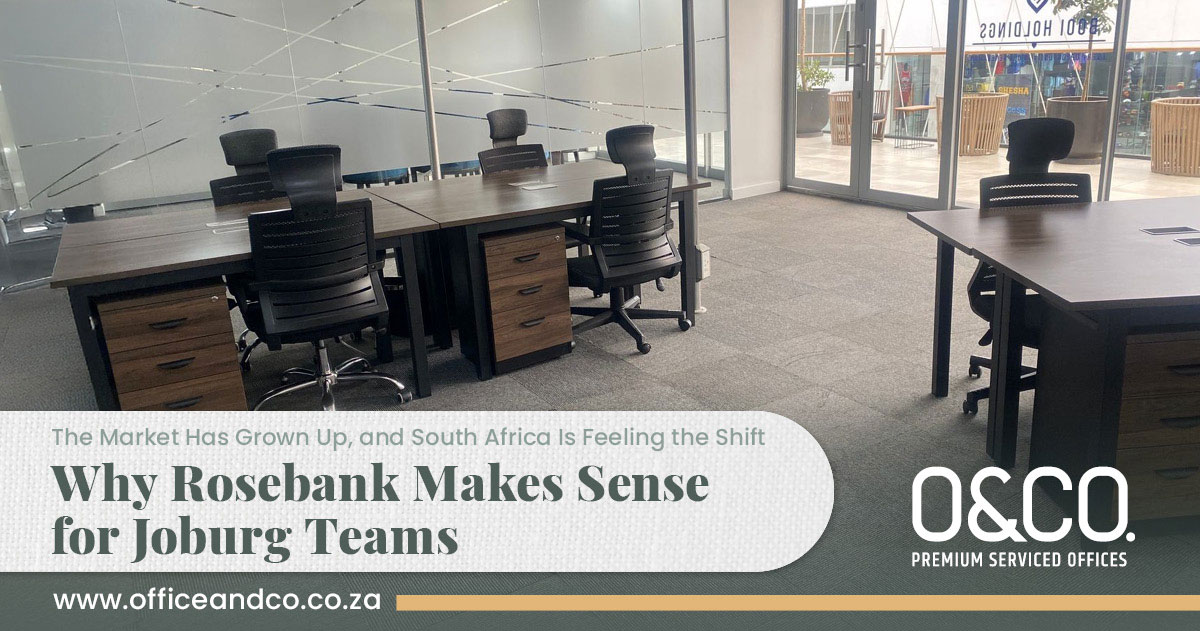
Why Rosebank Makes Sense for Joburg Teams
Location matters when you bring people together. Rosebank sits at a natural crossroads in Johannesburg. It’s accessible from the north and the city. Close to public transport. Surrounded by places to eat, meet, and decompress after a focused workday.
For teams travelling in from different parts of Gauteng, Rosebank reduces friction. Less time navigating traffic. Less frustration around parking or safety. More energy saved for the work that actually matters. This is one reason why O&CO’s Rosebank location works so well for monthly team sessions. It offers a calm, professional environment without the intensity of a traditional corporate tower.
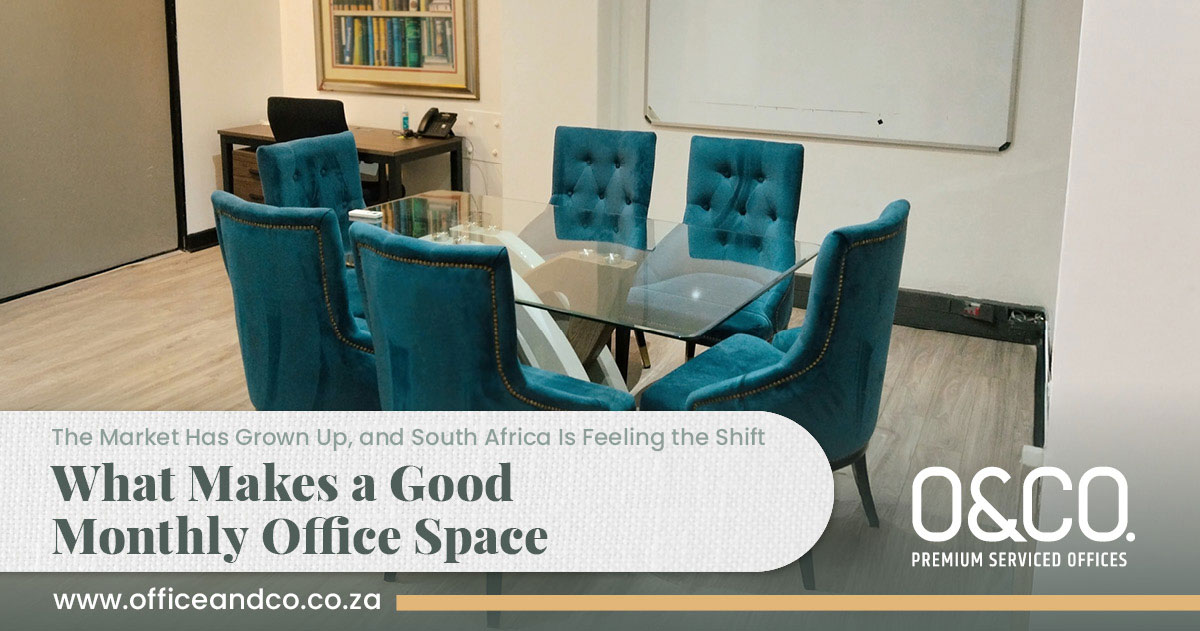
What Makes a Good Monthly Office Space
Not every office is suited to this kind of use.
A good monthly office space needs to feel professional without being rigid. Comfortable without being casual. Structured enough for strategy, flexible enough for collaboration.
Key elements matter:
• Private meeting rooms for focused discussions
• Comfortable seating that supports long conversations
• Reliable connectivity and presentation tools
• Breakout areas for informal discussions
• A calm atmosphere that encourages clear thinking
This is where Premium Serviced Office Space becomes important. When teams only meet occasionally, the space has to work immediately. There’s no time to troubleshoot WiFi, rearrange furniture, or manage logistics. Everything should be ready when the team arrives.
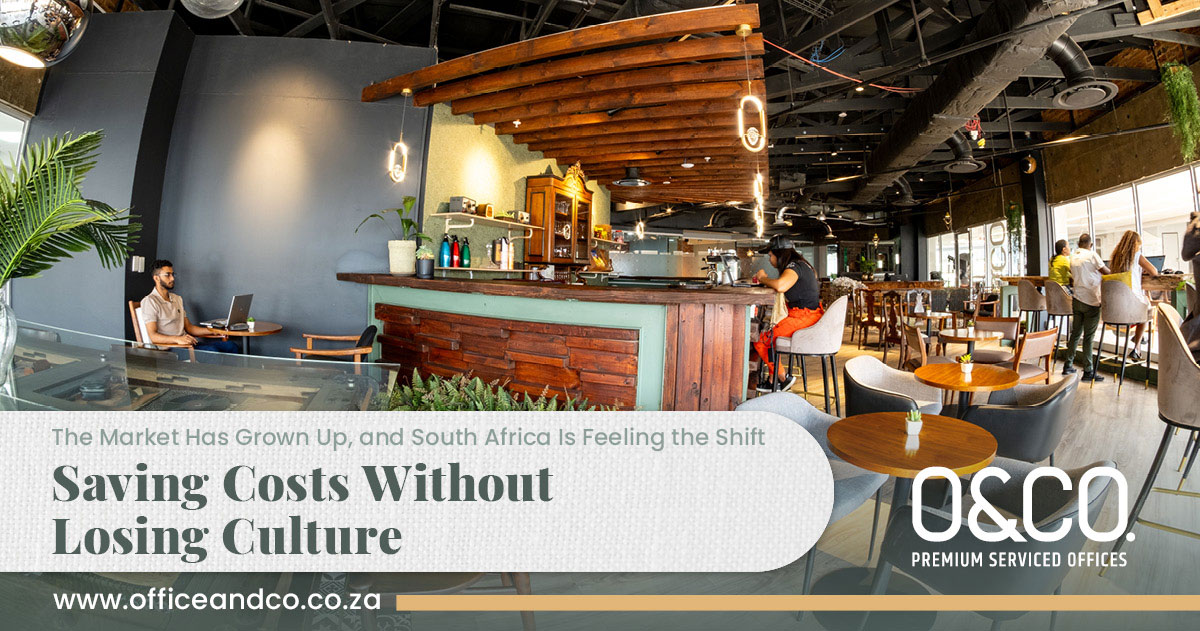
Saving Costs Without Losing Culture
One of the biggest fears around remote work is culture erosion.
Culture does not disappear overnight. It fades slowly when people stop sharing experiences. When wins are celebrated alone. When challenges are handled in isolation. A monthly office session creates shared moments. Teams remember the conversation where a strategy shifted. The laugh over coffee. The difficult discussion that led to clarity.
These moments carry back into remote work.
Employees feel connected to something tangible. Leaders have a chance to reinforce values in person. New hires meet the people behind the Slack messages.
From a cost perspective, this approach remains lean. Companies avoid long leases and daily expenses while still investing in meaningful connection.
It’s a sensible middle ground.
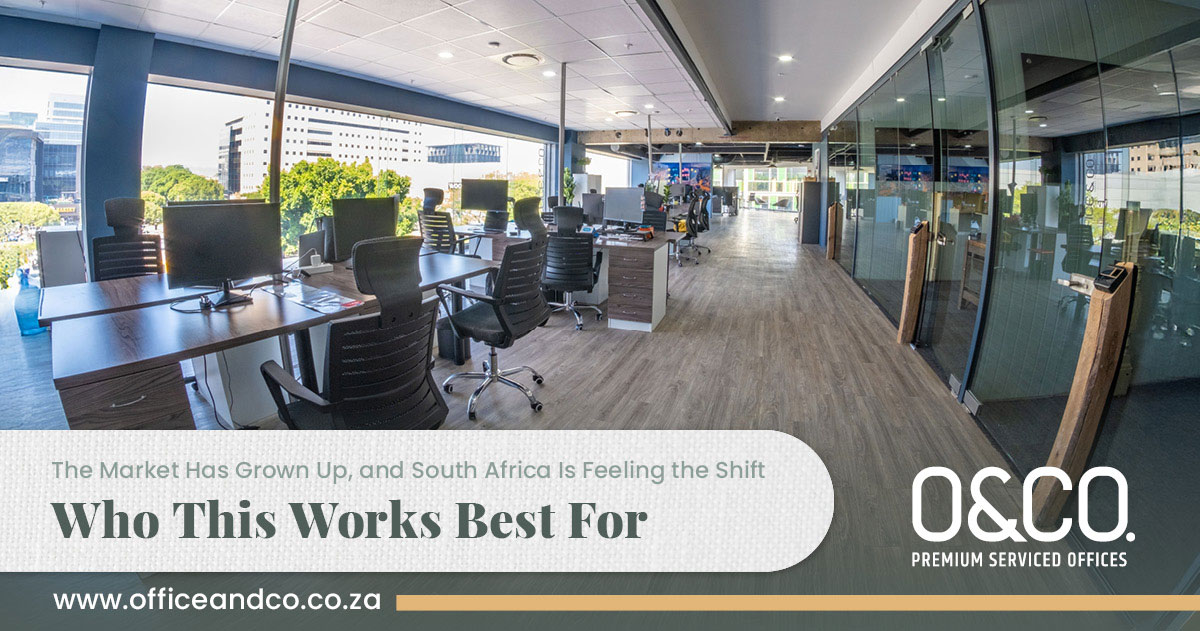
Who This Works Best For
This model is especially effective for:
• Startups scaling cautiously
• Professional services firms
• Tech and digital teams
• Consulting businesses
• Regional teams with distributed staff
These businesses often need alignment more than they need desks. They value flexibility but understand that some work is better done together.
Flex Professional Office Space supports this reality. It allows companies to remain agile while still investing in clarity and cohesion.
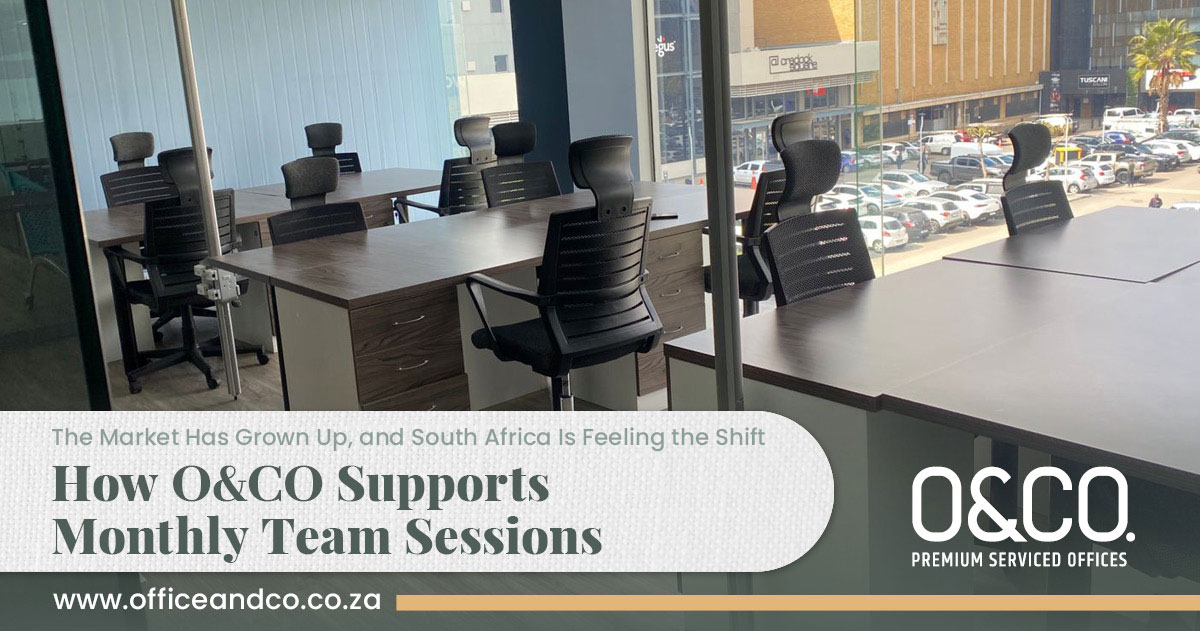
How O&CO Supports Monthly Team Sessions
At O&CO, the focus is not just on space. It’s on how that space is used.
The Rosebank location is designed to support purposeful gatherings. Teams can book private offices, meeting rooms, or a combination of spaces depending on the session’s goals.
There are no long term commitments required. No complicated setup. Just a professional environment that allows teams to arrive, focus, and leave with direction.
This approach works particularly well for remote teams who want a consistent place to return to each month. Familiarity builds comfort. Comfort supports better conversations.
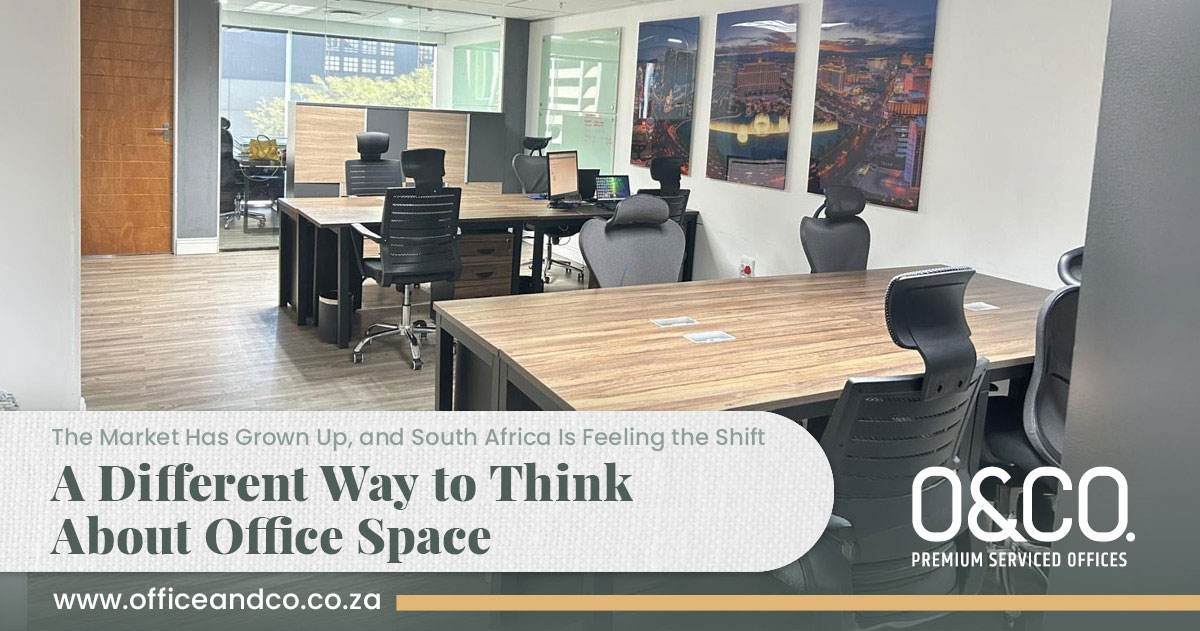
A Different Way to Think About Office Space
The question is no longer whether companies need offices. It’s how they need them. For many Joburg businesses, the answer is not daily presence. It’s intentional presence.
A monthly office is not a compromise. It’s a considered choice. One that respects both financial realities and human needs.
Remote work will continue to evolve. But the need for connection, clarity, and shared direction will not disappear.
By choosing a professional space like O&CO Rosebank for monthly team sessions, companies can protect their culture, sharpen their strategy, and still enjoy the flexibility that remote work offers.
Sometimes, one day together is all it takes to change how the rest of the month works.
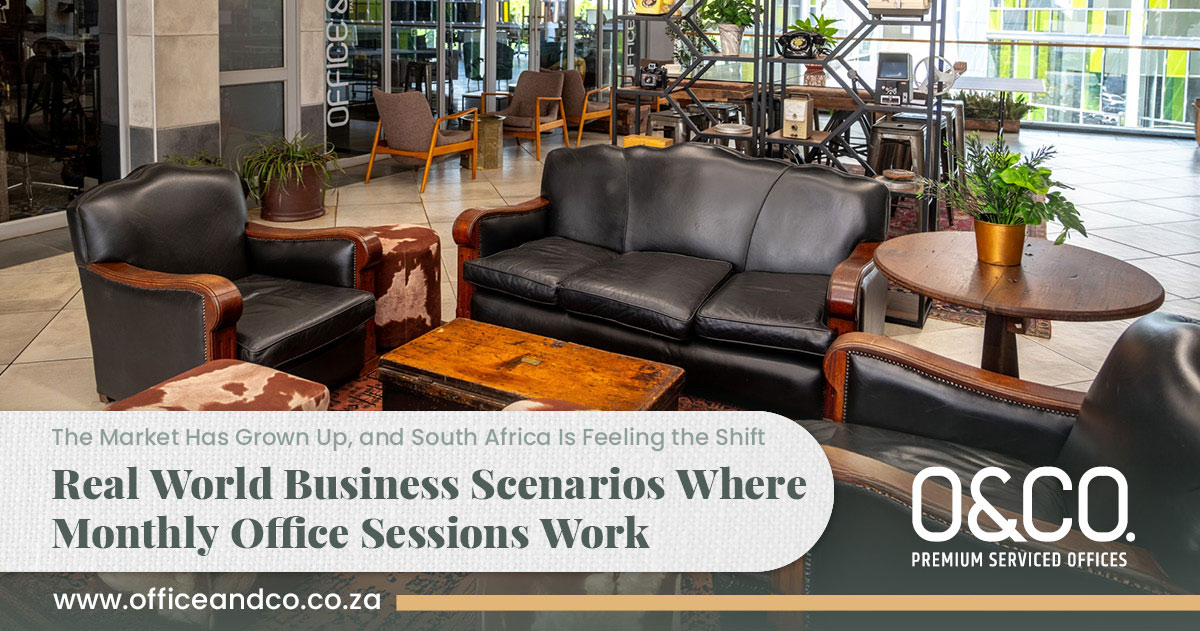
Real World Business Scenarios Where Monthly Office Sessions Work
To make this more tangible, it helps to look at how Johannesburg businesses are actually using monthly office sessions.
Scenario 1: A Growing Tech Startup
A 20 person tech company operates fully remote to keep burn rate low. Developers are spread across Joburg, Pretoria, and Cape Town. Day to day execution runs smoothly online, but product direction and prioritisation often stall. Once a month, the leadership team and product leads meet at O&CO Rosebank. They review progress, debate roadmap decisions, and align on priorities for the next sprint cycle. By the end of the day, everyone leaves with clarity. The rest of the month runs faster, with fewer meetings and less confusion.
Scenario 2: A Professional Services Firm
A consulting firm shifted to remote work after downsizing its office. Client delivery remained strong, but internal collaboration suffered. Junior staff felt disconnected. Senior consultants struggled to mentor effectively. The firm now hosts a monthly team day in Rosebank. Mornings are used for training and knowledge sharing. Afternoons focus on case reviews and planning. The social element over lunch and coffee has helped rebuild culture without reintroducing daily office costs.
Scenario 3: A Regional Corporate Team
A corporate with a national footprint runs its Gauteng team remotely, with head office based elsewhere. Local managers felt isolated from strategic conversations. By bringing the Gauteng leadership team together once a month at O&CO, decisions are made faster and local insights are shared more openly. The space becomes a neutral, professional base without the optics or cost of a permanent regional office.
Scenario 4: A Founder Led SME
A founder manages a small but fast moving team. Remote work provides flexibility, but difficult conversations and long term planning felt awkward online.
Monthly in person sessions now serve as reset days. The team reviews financials, discusses challenges honestly, and reconnects with the bigger picture. Trust improves. Accountability strengthens. Remote work feels less fragmented.
These scenarios all point to the same insight. Teams do not need offices every day. They need them at the right moments.